

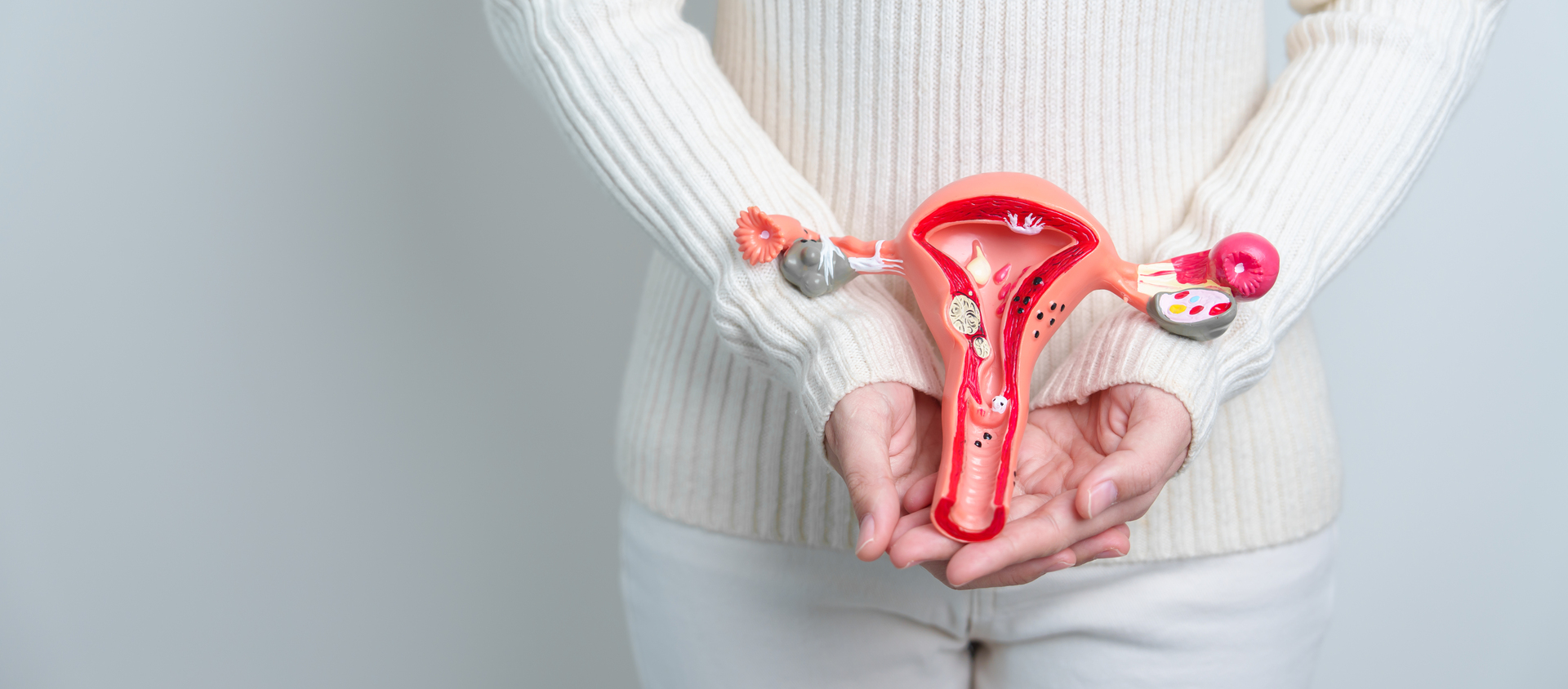
Endometriosis is a chronic condition where tissue similar to the lining of the womb (endometrium) grows outside the uterus. This tissue can form on the ovaries, fallopian tubes, bowel, bladder, and other pelvic structures. Because this tissue behaves like womb lining, it can thicken and bleed during the menstrual cycle, causing inflammation, scarring, and significant pain.
It is a very common condition, affecting around 1 in 10 women of reproductive age. Despite how widespread it is, many women experience delays in diagnosis and may struggle with long term symptoms.
At Vitalscan, women can access advanced imaging services, including MRI pelvis gynaecological scans, to support accurate diagnosis.
What are the first signs of endometriosis?
Understanding the first signs of endometriosis is essential for early diagnosis and treatment. Symptoms can vary, but many women notice issues even in adolescence.
Common early signs include:
These symptoms can worsen during menstruation. While some women may have mild symptoms, others experience intense, debilitating pain.
How does endometriosis affect your life?
One of the most common questions women ask is How does endometriosis affect your life?
The impact of endometriosis can be significant. Many women live with chronic pain that affects physical, emotional, and social wellbeing. This condition can interfere with work, daily activities, intimacy, and fertility.
Studies show that more than half of women with endometriosis need to take time off work frequently due to pain. Fatigue, disrupted sleep, and stress are also common, reducing quality of life. Endometriosis can affect fertility by causing inflammation and scarring around reproductive organs, making conception more difficult.
Early diagnosis and appropriate management can help reduce the long term impact of the disease.
Symptoms of Endometriosis
Symptoms can range from mild discomfort to severe, life limiting pain. They may include:
Not every woman with endometriosis will have severe symptoms; however, severe cases often involve chronic pain and infertility.
Endometriosis Risk Factors
Anyone with a menstrual cycle can develop endometriosis, but certain factors increase the likelihood.
Endometriosis risk factors include:
If you have these risk factors and symptoms, consider seeking medical advice.
How Is Endometriosis Diagnosed?
Diagnosis can sometimes take years because symptoms overlap with other conditions such as IBS (irritable bowel syndrome). Timely diagnosis helps avoid long term damage and improve quality of life.
Treatment Options
While there is no cure, endometriosis can be managed to improve quality of life and fertility.
Treatment options include:
A personalised approach is essential and depends on severity and symptoms.
When To Seek Help
If you experience pelvic pain, heavy periods, painful intercourse, or difficulty conceiving, speak to a healthcare provider. Early detection helps prevent long term complications.
Radiation Frequently Asked Questions
Book an MRI Pelvis Scan with Vitalscan
MRI scans provide crucial insight into the severity and extent of endometriosis, helping support diagnosis and treatment planning.
At Vitalscan, you can book an MRI pelvis gynaecological scan without a GP referral. We offer rapid access, expert radiologists, and high quality imaging for accurate assessment.