

Inflammatory bowel disease (IBD) is a chronic condition affecting the digestive tract. The two most common forms are Crohn’s disease and ulcerative colitis. Understanding the symptoms of inflammatory bowel disease, how it is diagnosed, and available treatment options is essential in managing the condition early and effectively.
At Vitalscan, we provide advanced small bowel MRI scans that support accurate and timely diagnosis of IBD.
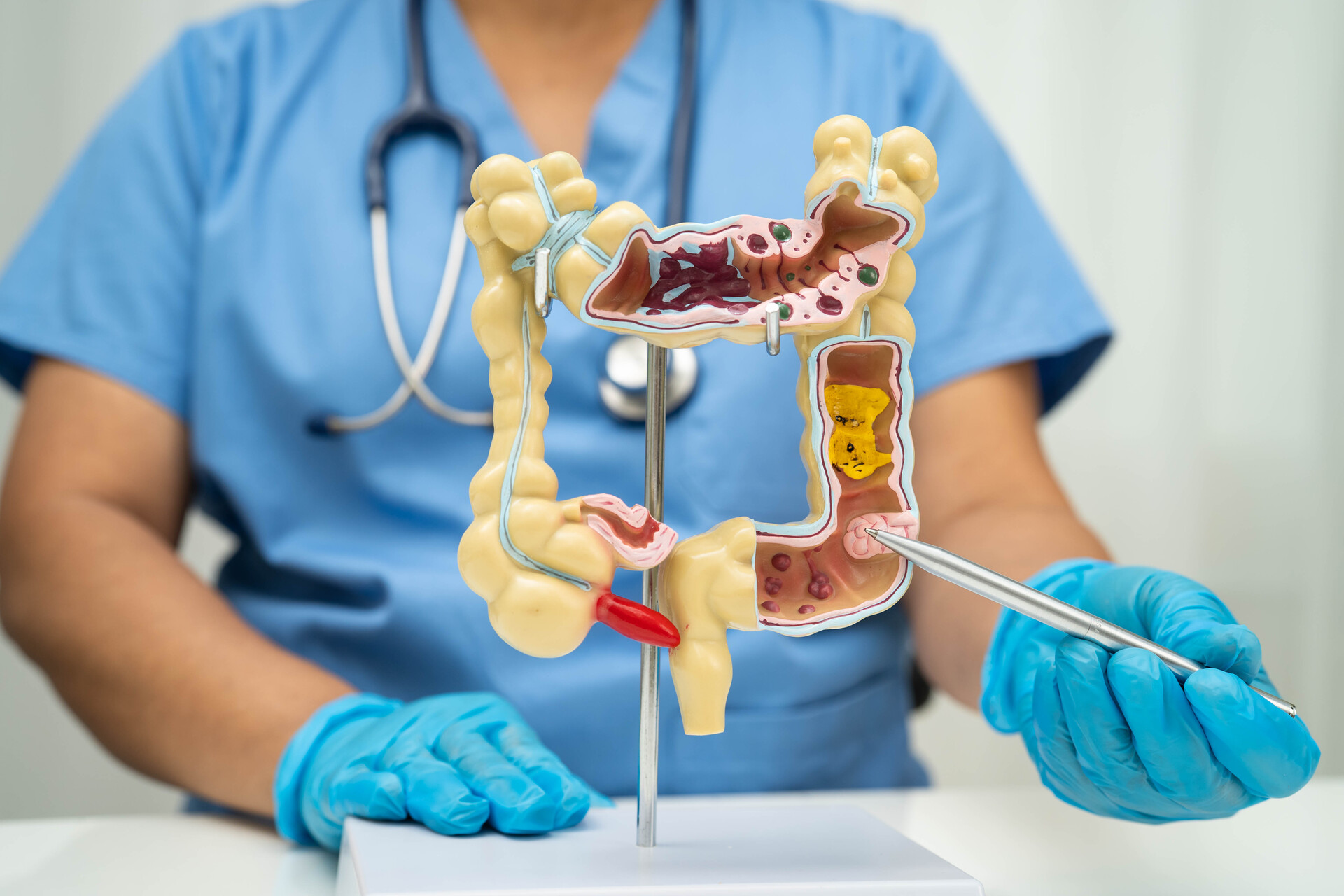
What is Inflammatory Bowel Disease?
Inflammatory bowel disease refers to chronic inflammation of the gastrointestinal (GI) tract. Although the exact cause of inflammatory bowel disease remains unclear, it is believed to result from an abnormal immune response, genetic predisposition, and environmental influences. Without proper treatment, IBD can cause serious complications, including bowel obstruction, severe dehydration, and life threatening infections.
Symptoms of Inflammatory Bowel Disease
The symptoms of inflammatory bowel disease vary in severity and can develop gradually or suddenly. While early symptoms may be mild, they can significantly worsen over time if not addressed.
Common symptoms include:
Some individuals may also experience:
If you experience any of these symptoms, it is important to speak with your healthcare provider promptly.
Causes of Inflammatory Bowel Disease
The causes of inflammatory bowel disease are not yet fully understood, however, research suggests multiple contributing factors:
Risk Factors of Inflammatory Bowel Disease
While anyone can develop IBD, several factors increase the likelihood of developing this condition.
Key risk factors of inflammatory bowel disease include:
How is Inflammatory Bowel Disease Diagnosed?
Diagnosing IBD usually requires a combination of clinical evaluation, laboratory testing, endoscopic procedures, and imaging studies. Because symptoms overlap with other digestive conditions, accurate diagnostic techniques are essential.
The Role of MRI in Diagnosing IBD
MRI scanning, particularly small bowel MRI, provides a highly accurate, non-invasive method for diagnosing and monitoring inflammatory bowel disease. It can detect:
At Vitalscan, you can book a dedicated small bowel MRI without the need for a GP referral. Our advanced imaging technology supports clinicians in determining the most effective treatment approach.
Treatment for Inflammatory Bowel Disease
While there is currently no cure for IBD, early diagnosis and treatment can help control symptoms, prevent complications, and improve quality of life. Treatment for inflammatory bowel disease typically includes:
When to Seek Medical Advice
If you develop recurring abdominal pain, diarrhoea, blood in your stool, or unexplained weight loss, it is important to seek medical attention. Early diagnosis of IBD significantly improves outcomes and reduces long term complication risks.
Radiation Frequently Asked Questions
Book a Small Bowel MRI with Vitalscan
Accurate imaging plays a critical role in diagnosing inflammatory bowel disease. At Vitalscan, we offer fast access to small bowel MRI scans delivered by specialist radiographers and state of the art technology.
Book your appointment today to receive the clarity you need to manage your digestive health.