
Radiology is an essential part of modern medicine, but it also has an environmental footprint. As technology advances, imaging centres are recognising the importance of sustainability in healthcare. Green radiology focuses on reducing waste, conserving energy, and adopting ecofriendly practices to limit the environmental impact of medical imaging.
At Vitalscan, we’re committed to creating a more sustainable future for diagnostic imaging without compromising on quality, safety, or patient care.
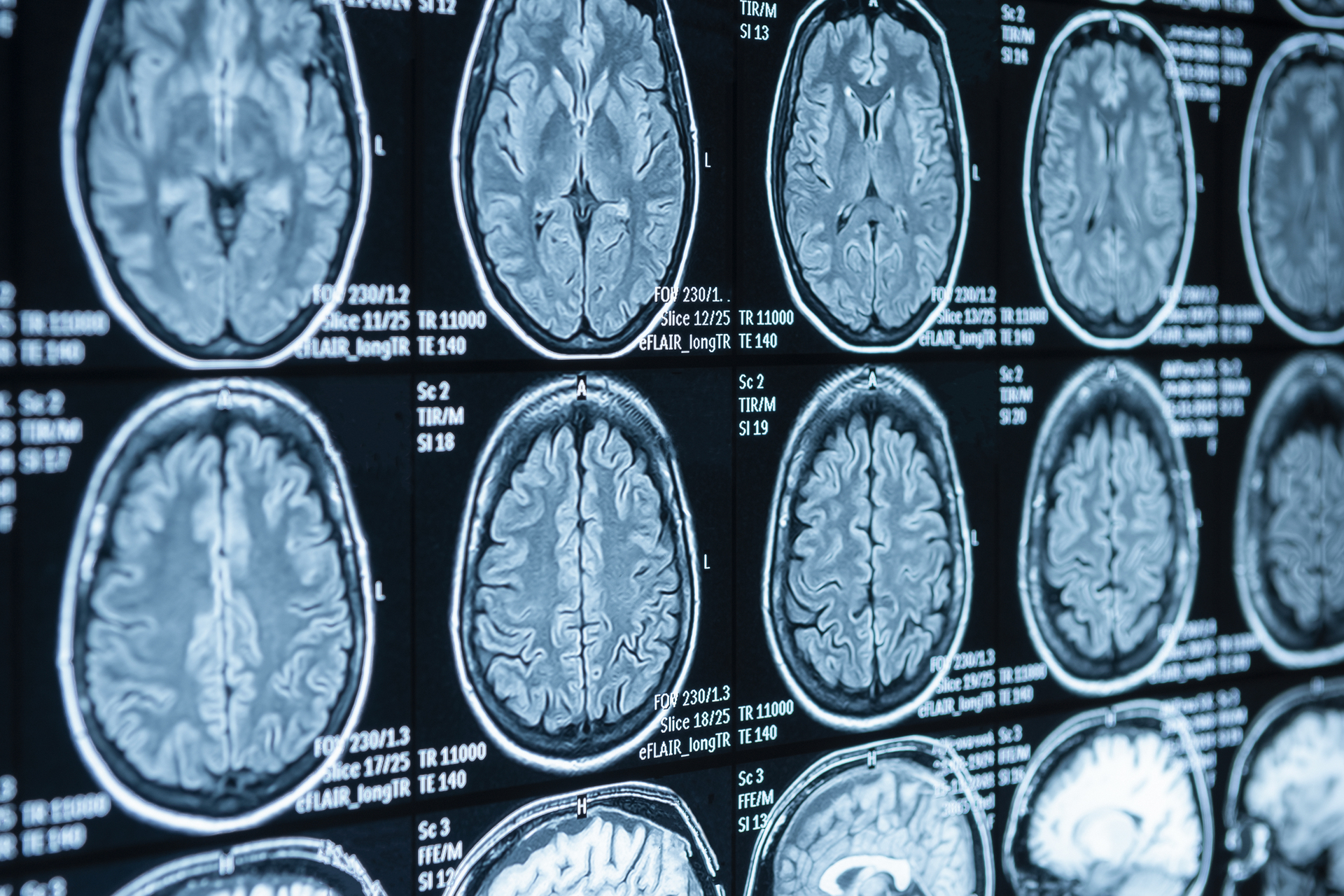
How Does Radiology Affect the Environment?
Radiology relies heavily on advanced technology; from scanners and computers to air conditioning systems and printing. This means that radiology departments consume significant energy and produce waste, both of which contribute to carbon emissions and climate change.
The environmental impact of radiology includes:
Transitioning to digital workflows, energyefficient equipment, and waste reduction strategies can dramatically reduce the environmental footprint of imaging services.
What Are the Environmental Impacts of Radiation?
Many people wonder, “What are the environmental impacts of radiation?”
In modern diagnostic imaging, the levels of radiation used in procedures such as X-rays and CT scans are carefully controlled and regulated. However, the broader environmental impacts stem from the energy needed to power machines and the production of imaging equipment and consumables.
Key factors include:
At Vitalscan, we aim to use contrast materials responsibly and only when necessary, reducing environmental and population risks.
Does Radiation Pollute the Air?
A common misconception is that diagnostic radiation pollutes the air. In reality, radiation from medical imaging does not linger or pollute the atmosphere. The environmental concern lies not in the radiation itself, but in energy consumption and waste management surrounding radiological services.
To minimise impact:
This ensures that radiology remains safe for both patients and the planet.
How Radiology Can Be Greener
There are several practical ways imaging centres like Vitalscan can make radiology more sustainable.
1. Digitisation and Paperless Workflows
Moving towards fully digital systems eliminates paper waste, improves efficiency, and saves costs.
2. Energy Efficiency
Energy efficient systems and equipment significantly cut carbon emissions.
3. Reducing Waste
Sustainable waste management is key in green radiology.
4. Industry Collaboration
The wider radiology industry also plays a role in sustainability.
Manufacturers such as Philips are exploring:
The Future of Sustainable Imaging
The future of radiology depends on combining technology, efficiency, and environmental responsibility. With advancements such as AIassisted scanning and digital patient engagement, radiology can continue to provide accurate diagnostics while reducing its carbon footprint.
Green radiology is not just a choice, it’s a necessity for the longterm sustainability of healthcare.